

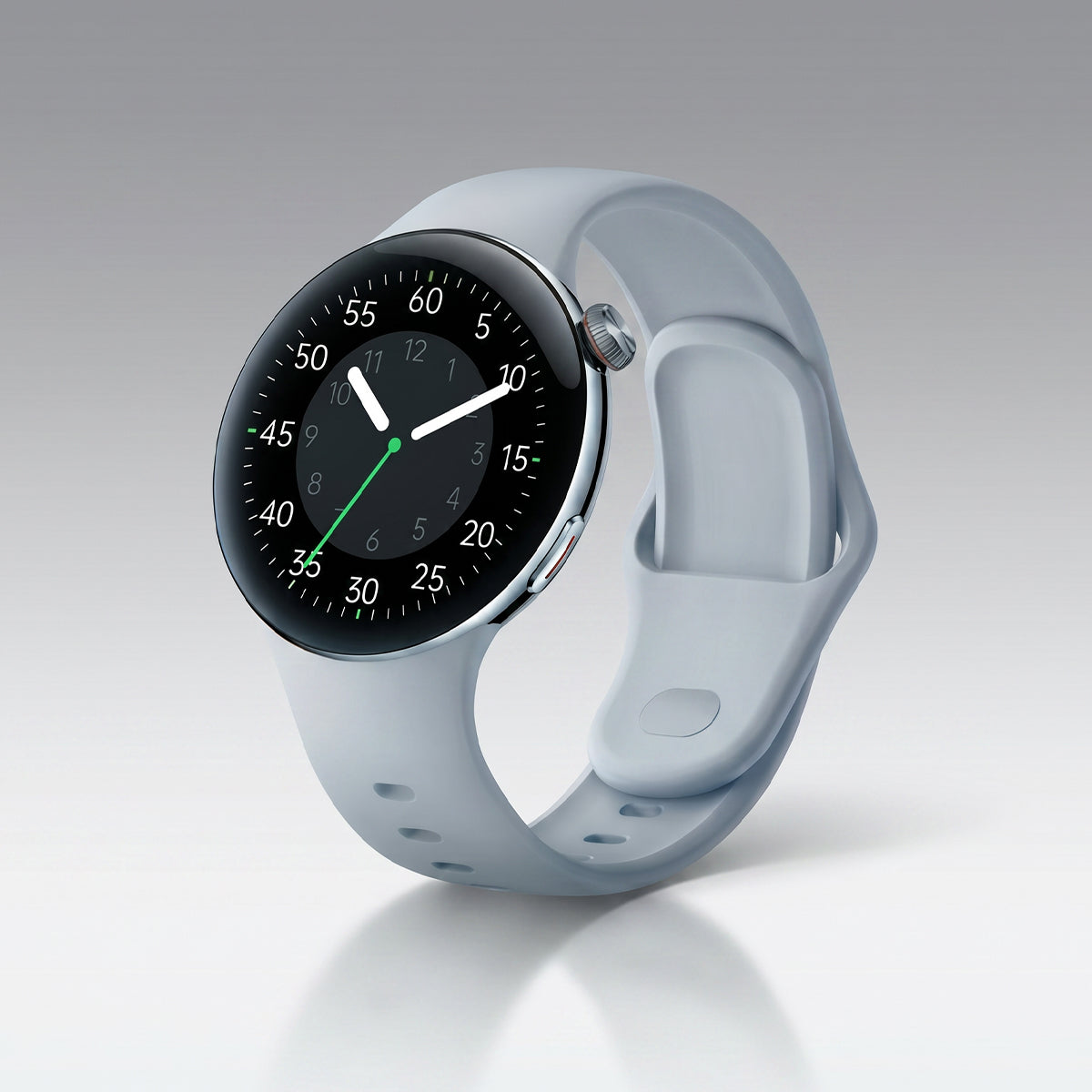









Sleep is essential for your overall health—and your smartwatch can help you better understand and improve your sleep habits.
But how accurate is it, and what do all those sleep metrics actually mean? Let’s break it down.
How Sleep Tracking Works
Sensors Used
Smartwatches rely on multiple sensors to estimate your sleep:
- Accelerometer – detects body movement
- Heart rate sensor – tracks heart rate changes during sleep
- Temperature sensor (on some models) – monitors skin temperature trends
What Your Smartwatch Measures
🕒 Sleep Duration
- Total time spent asleep (not just time in bed)
- Recommended range for adults: 7–9 hours per night
🧠 Sleep Stages
Your sleep is divided into three main stages:
- Light Sleep (50–70%) – transition phase, easy to wake
- Deep Sleep (10–20%) – physical recovery and repair
- REM Sleep (20–25%) – dreaming, memory processing
⏰ Wake Episodes
- Number of times you wake during the night
- More wake-ups = more fragmented sleep
⭐ Sleep Score
- Overall sleep quality rating (usually 0–100)
- Based on duration, sleep stages, and interruptions
Understanding Sleep Stages
Light Sleep
- Makes up the majority of your sleep
- Helps your body transition between stages
- Easy to wake from
Deep Sleep
- The most restorative stage
- Supports muscle recovery and immune function
- Typically occurs more in the first half of the night
REM Sleep
- Brain activity increases (dreaming phase)
- Important for memory and learning
- Occurs more in the later part of the night
Typical Sleep Distribution
- Deep Sleep: 10–20%
- REM Sleep: 20–25%
- Light Sleep: 50–70%
How to Use Your Sleep Data
Track Trends Over Time
- Average sleep duration
- Consistency (bedtime and wake-up time)
- Weekly sleep quality scores
Identify Patterns
Your smartwatch can help reveal habits that affect your sleep:
- Alcohol may reduce deep sleep
- Late meals can disrupt sleep quality
- Exercise often improves sleep
- Stress can affect REM sleep
Factors That Affect Accuracy
Movement
- Very still sleepers may appear to have less deep sleep
- Movement from pets or partners can affect readings
Fit
- Too loose → inaccurate readings
- Too tight → discomfort and poor sleep
Consistency
- Wear your watch every night for better data
- First few nights may be less accurate
Tips for Better Sleep
🕰 Keep a Consistent Schedule
- Go to bed and wake up at the same time daily
- Even on weekends
🌙 Wind Down Before Bed
- Dim lights in the evening
- Avoid screens 1 hour before sleep
- Build a relaxing bedtime routine
🌡 Optimize Your Environment
- Keep room temperature around 18–20°C (65–68°F)
- Make your room dark and quiet
- Consider white noise if needed
🍽 Watch Your Diet
- Limit caffeine in the afternoon and evening
- Avoid alcohol before bed
- Eat lighter dinners
When Sleep Tracking Is Useful
Helpful For:
- Tracking sleep debt
- Identifying long-term patterns
- Monitoring improvements
- Understanding your body’s rhythms
Not a Replacement For:
- Medical sleep studies
- Diagnosing sleep disorders
- Professional medical advice
When to See a Doctor
Consult a healthcare professional if you experience:
- Consistently poor sleep scores
- Excessive daytime sleepiness
- Loud or frequent snoring
- Breathing interruptions during sleep
- Ongoing insomnia
Conclusion
Sleep tracking is a powerful tool for understanding your rest and improving your habits.
While it’s not a medical device, it can provide valuable insights when used consistently. Combine the data with healthy sleep habits—and if problems persist, seek professional advice.


Laisser un commentaire
Ce site est protégé par hCaptcha, et la Politique de confidentialité et les Conditions de service de hCaptcha s’appliquent.