

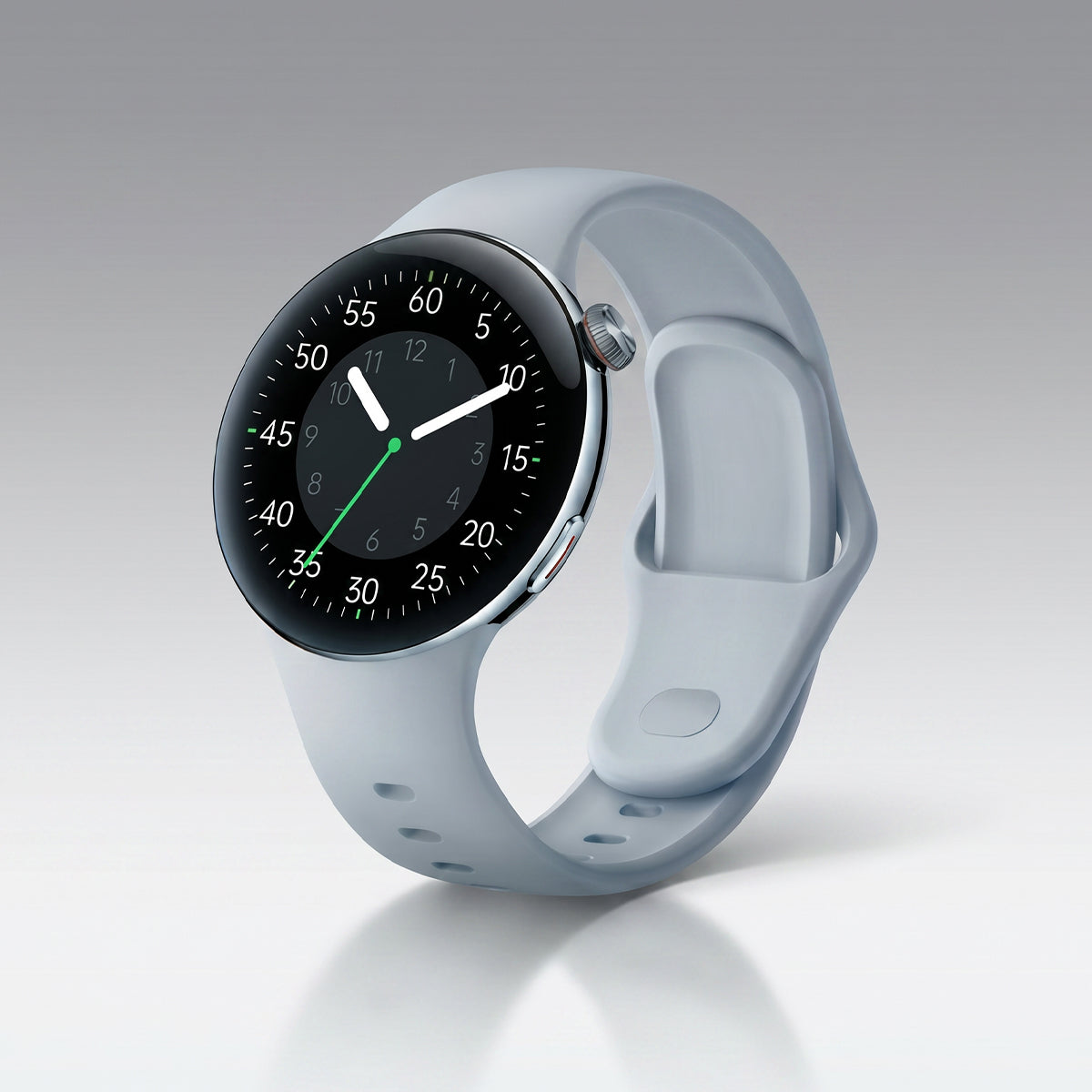





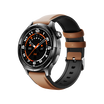


With so many wearable devices on the market today, choosing between a fitness tracker and a smartwatch can feel overwhelming. While both offer valuable features, they are designed with different priorities in mind. Understanding these differences can help you make the right choice for your lifestyle.
What’s the Difference?
What is a Fitness Tracker?
A fitness tracker is a device focused primarily on health and activity monitoring. It is typically lightweight, simple to use, and optimized for tracking daily movement and essential health metrics.
What is a Smartwatch?
A smartwatch, on the other hand, functions more like a mini computer on your wrist. In addition to fitness tracking, it offers smartphone-like features such as apps, notifications, and even calling capabilities.
Key Differences at a Glance
| Feature | Fitness Tracker | Smartwatch |
|---|---|---|
| Primary Purpose | Health & activity tracking | General computing |
| Battery Life | 7–14 days | 1–5 days |
| Price Range | $30–150 | $100–800+ |
| GPS | Often connected GPS | Built-in GPS |
| Notifications | Basic | Full notifications |
| Apps | Limited | Full app ecosystem |
Design and Display
Fitness trackers are designed for all-day wear. They are usually lightweight, compact, and comfortable, often featuring smaller or simpler displays.
Smartwatches, in contrast, tend to have larger and more vibrant screens. They often come with customizable watch faces, premium materials, and touchscreen controls, offering a more interactive experience.
Health and Fitness Features
Fitness Tracker Strengths
- Accurate step counting
- Continuous heart rate monitoring
- Sleep tracking
- Automatic exercise detection
- Long battery life
Smartwatch Strengths
- Advanced health metrics (e.g., ECG, SpO₂)
- Built-in GPS for workouts
- More workout modes
- Integration with third-party fitness apps
- Broader functionality beyond fitness
Battery Life Comparison
Battery life is one of the biggest differences between the two:
- Fitness trackers typically last 7–14 days, with some models reaching up to 30 days.
- Smartwatches usually last 1–5 days, often requiring frequent charging.
Price Comparison
-
Fitness Trackers:
- Entry-level: $20–50
- Premium: $100–150
-
Smartwatches:
- Budget: $100–200
- Premium: $400–800+
How to Choose the Right Device
Choose a Fitness Tracker if:
- Your main focus is health and activity tracking
- You prefer a lightweight device for 24/7 wear
- You want long battery life
- You value simplicity
- You are on a budget
Choose a Smartwatch if:
- You want a full smartwatch experience
- Apps and connectivity matter to you
- You need built-in GPS for workouts
- You prefer a premium design
- You don’t mind frequent charging
Conclusion
Ultimately, the best choice depends on your needs. If your priority is health tracking with minimal hassle, a fitness tracker is a great option. If you want advanced features and full connectivity, a smartwatch is the better fit.
For some users, owning both devices can offer the best of both worlds—using a fitness tracker for daily health monitoring and a smartwatch for more advanced tasks when needed.


Laisser un commentaire
Ce site est protégé par hCaptcha, et la Politique de confidentialité et les Conditions de service de hCaptcha s’appliquent.