

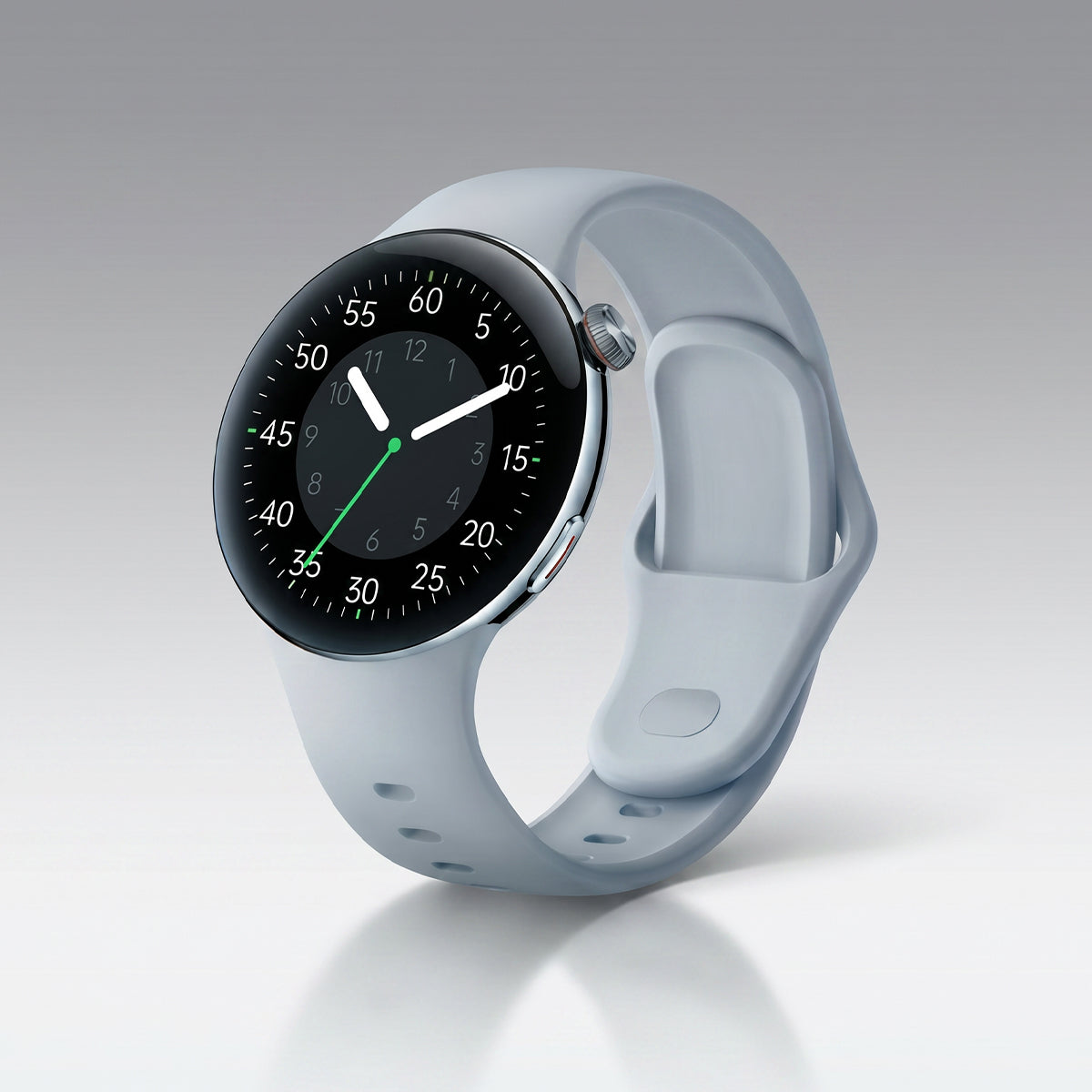







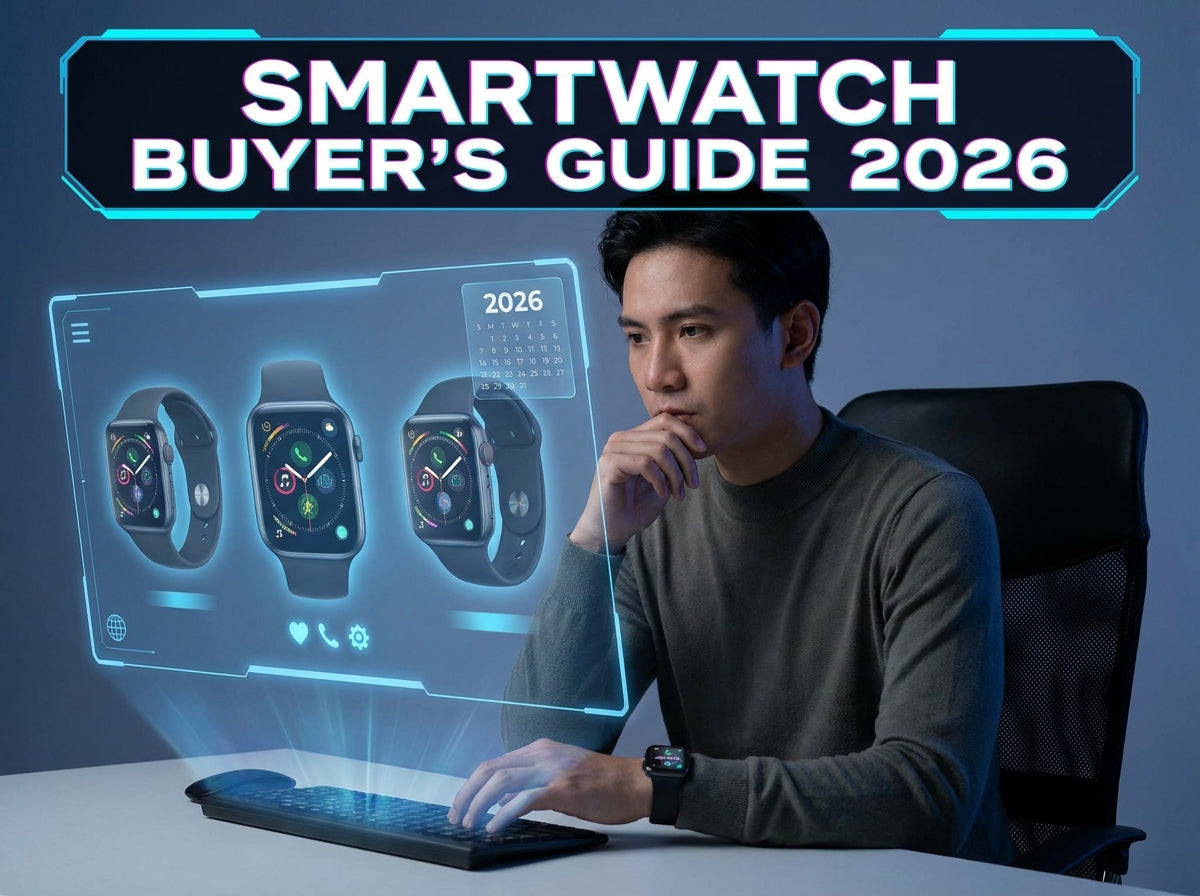
With so many wearable options flooding the market, choosing the right smartwatch can quickly feel overwhelming. Should you prioritize a vibrant screen, a battery that lasts for weeks, or advanced health sensors?
Whether you are a marathon runner or just looking to track your daily steps, finding the perfect fit comes down to understanding your personal lifestyle. This comprehensive guide breaks down the key factors to help you make an informed decision in 2026.
1. Display Size and Screen Technology
Your smartwatch's display is your primary interaction point, so getting it right is crucial. First, consider the screen size: larger displays make reading texts and navigating menus effortless, while smaller, lightweight models are much more comfortable for overnight sleep tracking.
Next, pay attention to the panel technology:
-
AMOLED Screens: Offer vibrant colors, incredible contrast, and deep blacks. They look premium and are highly visible outdoors but can consume more power.
-
LCD / MIP Displays: Tend to have superior battery efficiency and are often found in dedicated fitness trackers. While colors may not pop as much, they are highly readable in direct sunlight.
2. Battery Life Expectations
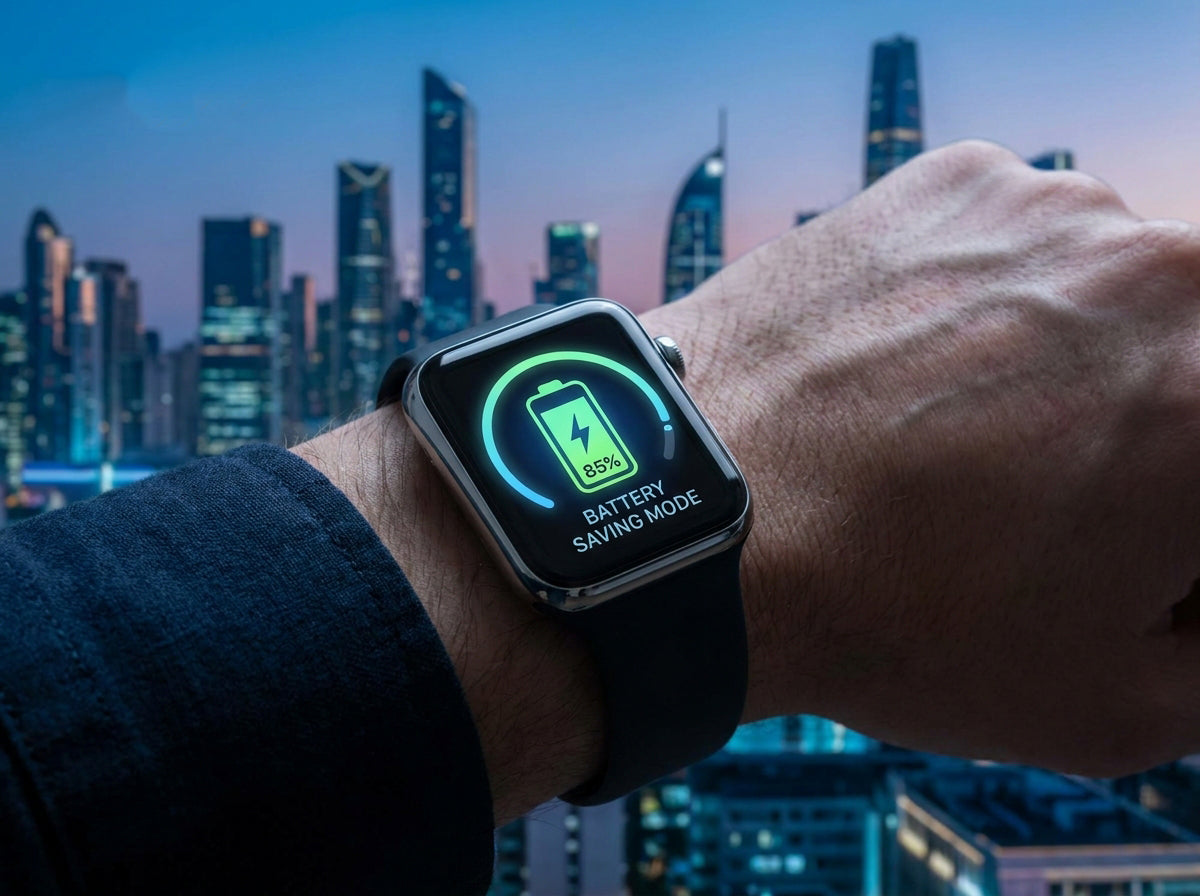
Battery life varies wildly across the wearable spectrum. Before buying, ask yourself: How often am I willing to charge this device?
| Device Type | Average Battery Life | Best For |
| Full Smartwatches (e.g., Apple, WearOS) | 1 to 2 Days | Power users needing apps and LTE connectivity |
| Fitness Watches (e.g., Garmin, Coros) | 5 to 14 Days | Runners and outdoor enthusiasts |
| Basic Trackers (e.g., Smart Bands) | 14 to 20+ Days | Users focused strictly on sleep and basic steps |
Pro Tip: If 24/7 sleep tracking is a non-negotiable feature for you, opt for a device with an extended battery. Waking up to a dead watch defeats the purpose of sleep monitoring.
3. Demystifying Water Resistance Ratings
Don't assume every smartwatch can survive a trip to the pool. Understanding water resistance ratings is essential before taking your device near water:
-
IP67 / IP68: Generally safe for heavy sweat, washing hands, and light rain. Not recommended for swimming.
-
5ATM (50 Meters): The sweet spot for most users. Perfectly suitable for surface swimming and showering.
-
10ATM+ (100 Meters): Dive-ready. Built for high-velocity water sports, surfing, and snorkeling.
4. Health and Fitness Features
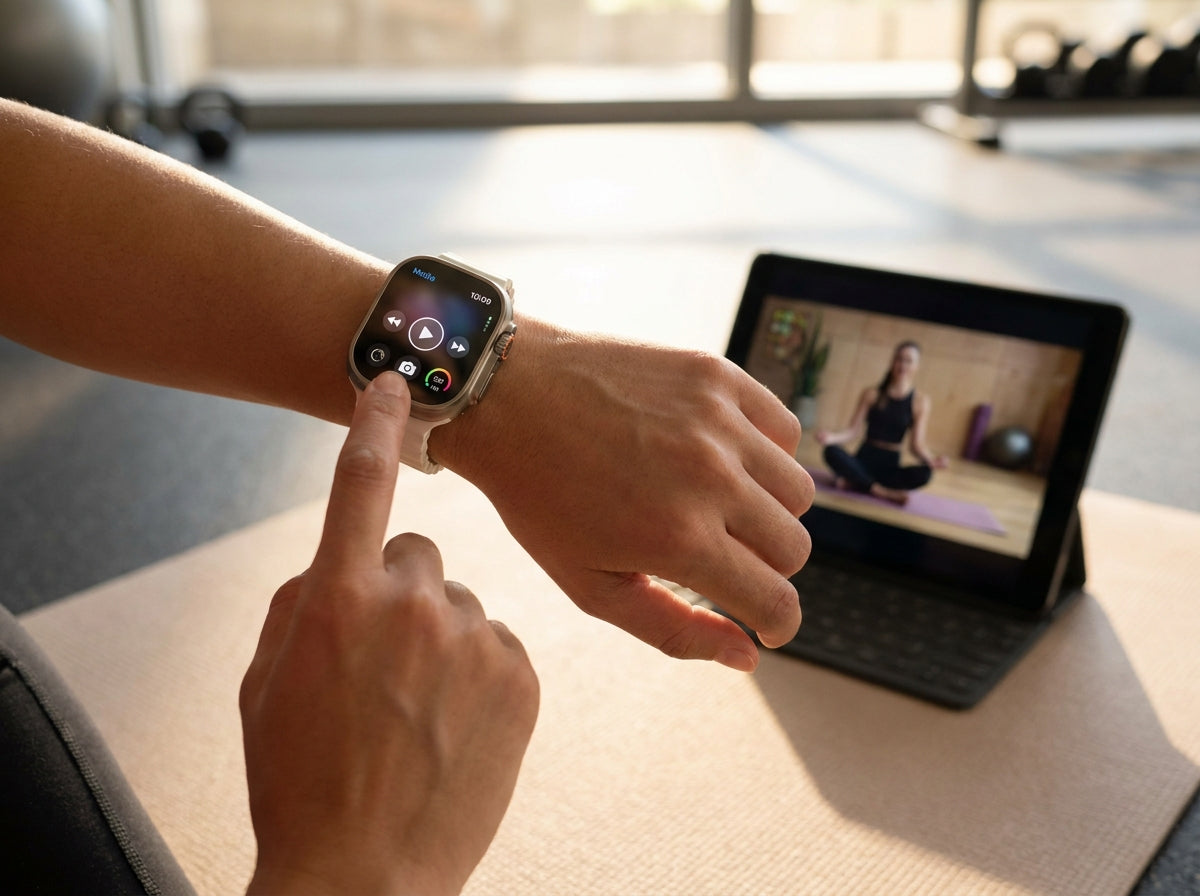
Different devices cater to different health monitoring needs. Don't overpay for clinical sensors if you only want basic metrics.
-
The Basics: Step counting, continuous heart rate monitoring, and calorie burn estimates.
-
Mid-Range Must-Haves: Blood oxygen (SpO2) tracking, detailed sleep stage analysis, and built-in GPS for phone-free runs.
-
Advanced Capabilities: FDA-cleared ECG (Electrocardiogram) apps, blood pressure monitoring, and skin temperature sensing for cycle tracking.
5. Price vs. Features: Finding the Sweet Spot
Ultimately, set a budget and prioritize the features that matter most to your daily routine. Premium flagship devices offer cutting-edge sensors, seamless smartphone integration, and polished software ecosystems. However, today's mid-range options provide incredible value, offering 90% of the core fitness tracking capabilities at half the price.
The best smartwatch is simply the one you will actually wear every day. List your top three priorities, compare options within your budget, and strap in for a healthier year.

Commenta
Questo sito è protetto da hCaptcha e applica le Norme sulla privacy e i Termini di servizio di hCaptcha.