








You wake up drenched. You kick off the covers. Ten minutes later, you're freezing. You can't remember the last time you slept through the night. And your patience? Gone.
Welcome to perimenopause — the decade-ish transition before menopause that nobody warned you about properly. The hot flashes. The night sweats. The sleep that falls apart.
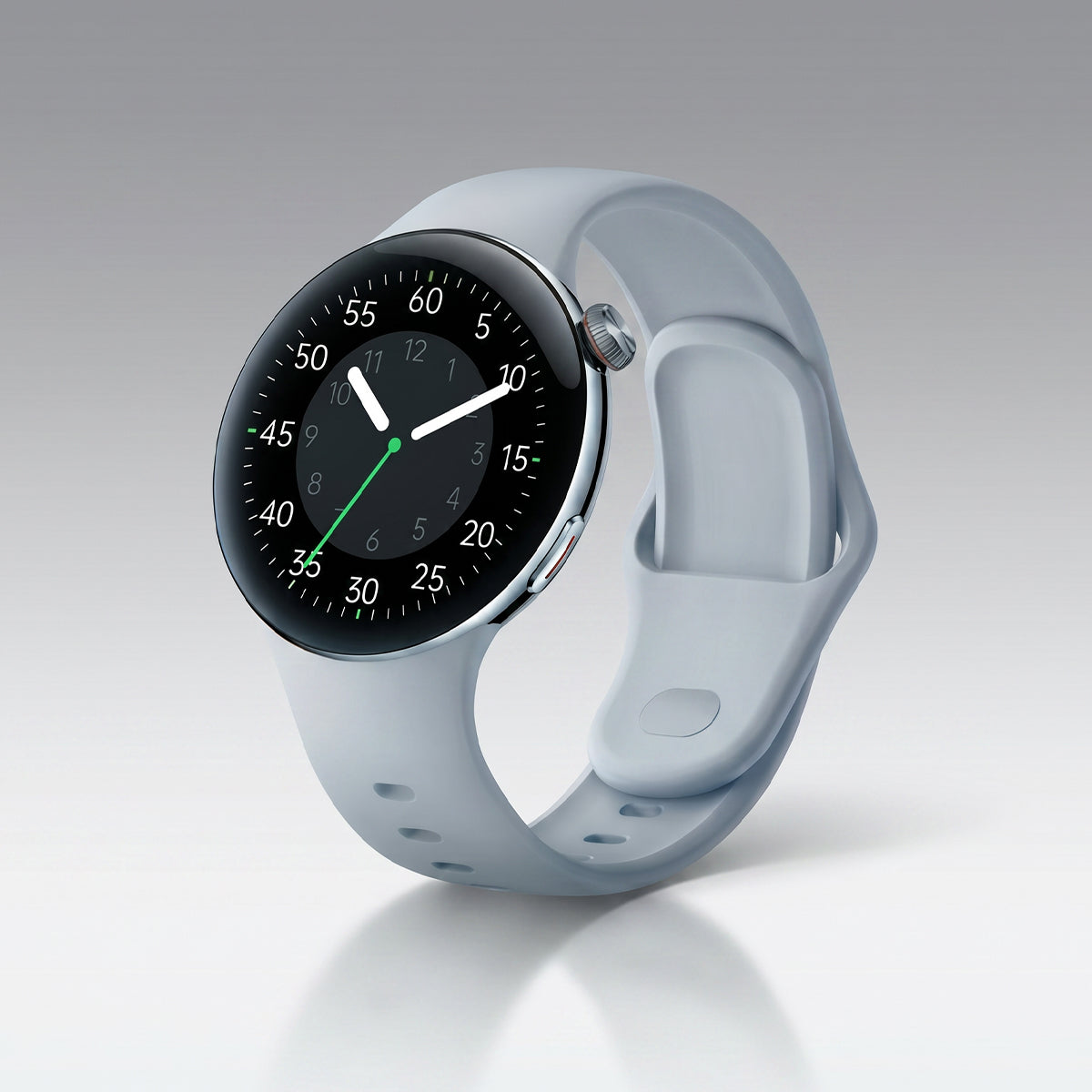
Here's the thing: your wearable has been quietly logging the clues. You just need to know what to look for.
What's Actually Happening
Your estrogen and progesterone are fluctuating wildly — not just declining, but swinging. That throws off your body's thermostat (yes, you have one, it's in your brain), your sleep architecture, and your nervous system.
The result: temperature spikes, midnight wake-ups, and a stress response that feels permanent.
What Your Watch Can Track
1. Skin temperature
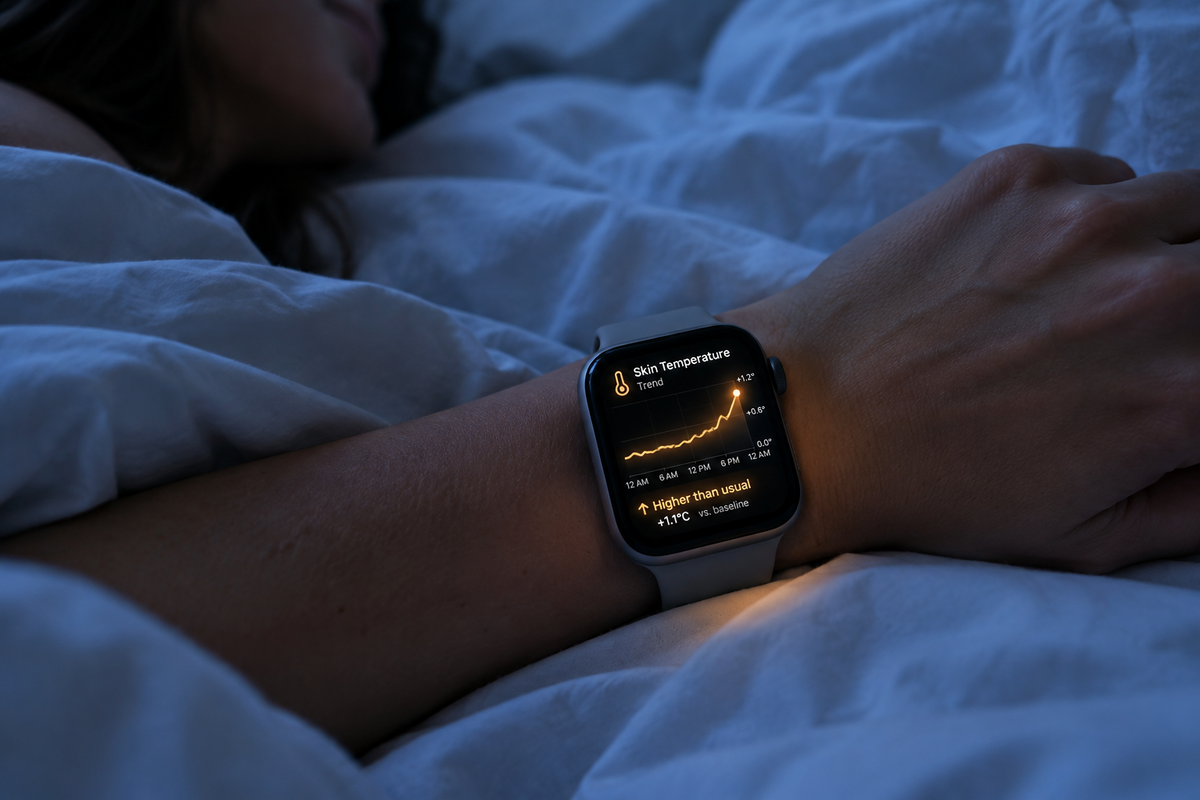
This is the big one. Your watch measures skin temp while you sleep and compares it to your baseline. Hot flashes and night sweats often show up as spikes of 0.5–1°C above your normal — sometimes before you even wake up.
Over a few weeks, you'll start to see patterns: Are they worse after wine? After a stressful day? At a certain point in your cycle?
2. Sleep stages
Perimenopause wrecks deep sleep and REM. Your watch will show more awake time, more light sleep, and fewer restorative cycles — even on nights you think you slept fine.
3. HRV (heart rate variability)
Lower HRV = your body is under stress. For many women, HRV drops during perimenopause, especially on nights with night sweats or poor sleep. It's a signal that your nervous system is working overtime.
4. Resting heart rate
Often creeps up slightly during this transition. Not dangerous — just another data point showing your body is adjusting.
How to Use This Data (Without Obsessing)
Track for 2–3 weeks before drawing conclusions. One bad night means nothing. A pattern means something.
Look for triggers, not just symptoms.
-
Alcohol, caffeine, spicy food, stress — do they line up with your worst nights?
-
Hot bedroom? That alone can spike skin temp and disrupt sleep.
Bring your data to your doctor. Showing a month of temperature spikes and sleep disruption is far more useful than saying "I think I'm having hot flashes." It's evidence.
Adjust your environment. Cooler room, breathable bedding, layers you can peel off. Small changes, big difference.
What It Can't Do
-
Diagnose perimenopause (that's a conversation with your doctor)
-
Replace hormone testing
-
Tell you when you'll hit menopause — everyone's timeline is different
It's a pattern‑spotter, not a crystal ball.
The Bottom Line
Perimenopause is confusing because it's unpredictable. But your body isn't random — it's responding to hormonal shifts, and those shifts leave traces in your data.
Your watch won't fix your hormones. But it can help you see the pattern, prepare for the bad nights, and walk into your doctor's office with real information instead of a vague sense that something's off.
You're not imagining it. And now you have the receipts. 😌🌡️


Commenta
Questo sito è protetto da hCaptcha e applica le Norme sulla privacy e i Termini di servizio di hCaptcha.