

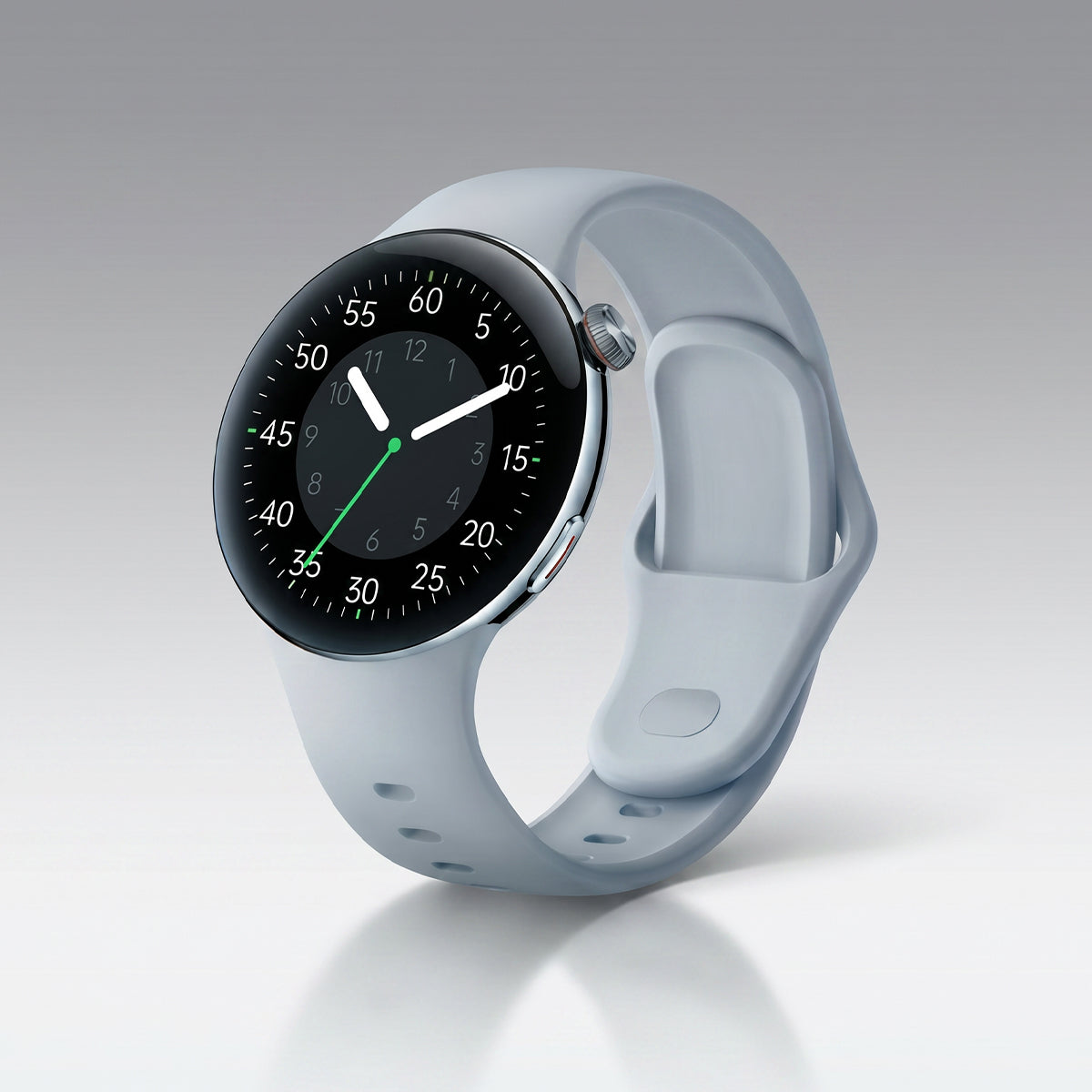







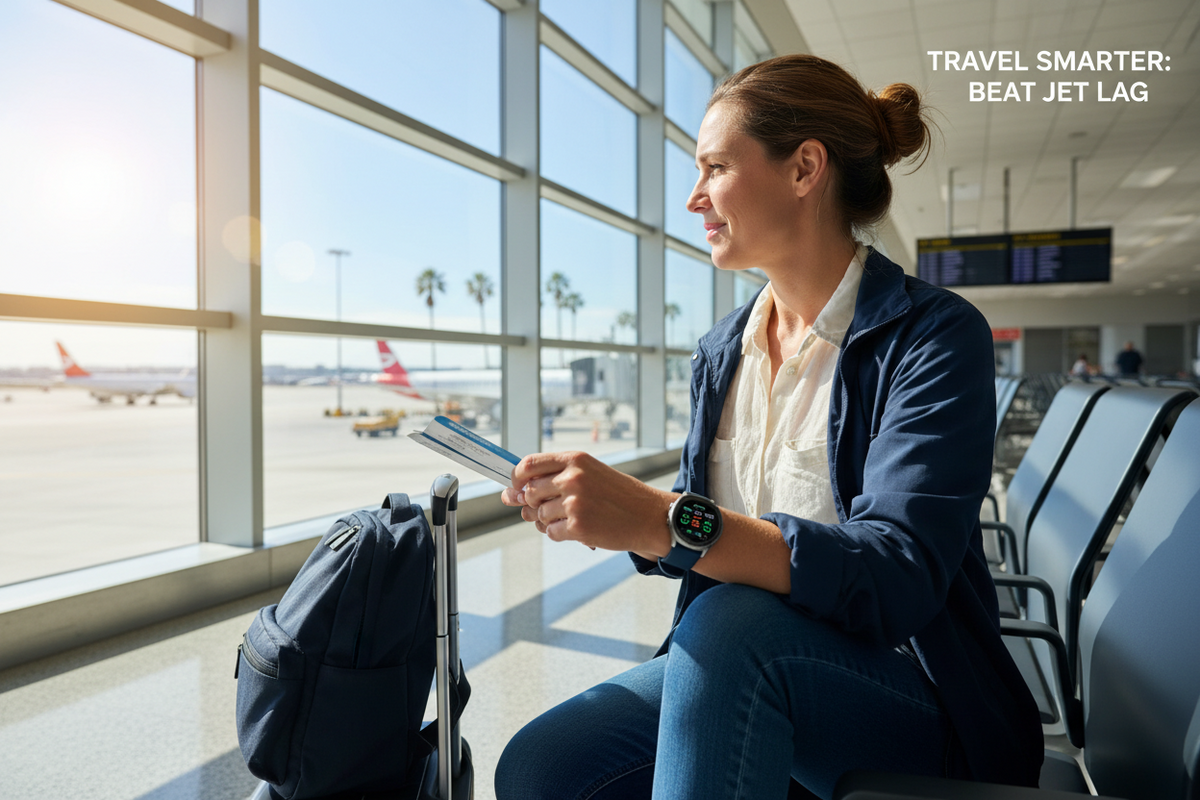
You land. It's 9 AM local time. Your body is screaming that it's 3 AM and you should be unconscious. You've got meetings, or a beach, or a family dinner — and you feel like a zombie.
Jet lag isn't just annoying. It ruins the first two days of every trip. But here's the thing: your smartwatch already knows how to fix it. You just have to follow the plan.
Why Jet Lag Happens
Your body runs on a 24‑hour clock called the circadian rhythm. It controls when you're sleepy, when you're hungry, and when you're alert. Fly across time zones, and that clock stays stuck on home time — while the sun, your meetings, and the world around you have all moved on.
The fix isn't willpower. It's light, timing, and sleep — and your watch can guide all three.
Before You Fly: The Prep Phase
3 days out: Start shifting your schedule.
-
Flying east (e.g., New York → London)? Go to bed 30 minutes earlier each night. Wake up 30 minutes earlier.
-
Flying west (e.g., London → New York)? Do the opposite — stay up later, sleep in later.
Log your new sleep times in your watch app so it can start tracking your adjustment.
Day before: Set your watch to your destination's time zone before you board. Your watch will start sending you light and sleep cues based on where you're going, not where you are.
During the Flight: The Reset Begins
Light is your lever. Your watch can tell you when to seek light and when to avoid it.
-
Flying east: Get light in the morning (destination time), avoid it in the evening.
-
Flying west: Get light in the evening, avoid it in the morning.
If your watch has a jet lag advisor, it'll prompt you: "Seek light now" or "Dim lights." Follow it.
Sleep on the plane? Only if it's night at your destination. Otherwise, stay awake — even if you're tired. Your watch's sleep tracking will show you the payoff later.
Hydrate. Skip alcohol. Both mess with your rhythm more than you think.
After You Land: The First 48 Hours
Day 1: Get outside. Morning light is the strongest signal to reset your clock. If your watch says "seek light," go for a walk. If it says "avoid light," wear sunglasses.
Nap smart. If you must nap, keep it under 20 minutes and before 3 PM local time. Your watch can set a nap timer and wake you gently.
Eat on local time. Your stomach clock matters too. Eat meals when locals eat, even if you're not hungry.
Day 2: Your watch's sleep score will tell you how you're adjusting. If your HRV is climbing and your resting heart rate is dropping, you're syncing. If not, stick with the light cues.
Bedtime: Go to bed at a normal local hour — not too early. If you're wide awake, read or stretch. Your watch's "sleep window" recommendation is based on your data, not guesswork.
The Cheat Sheet
-
East: Advance your clock. Morning light, early bedtime.
-
West: Delay your clock. Evening light, later bedtime.
-
Always: Hydrate, skip alcohol, eat on local time, use your watch's light alerts.
-
Never: Crash for 4 hours at 2 PM and wonder why you're awake at midnight.
The Bottom Line
Jet lag isn't something you have to suffer through. Your watch already tracks your sleep, heart rate, and HRV — and it knows when to nudge you toward light or rest. All you have to do is follow the cues.
Set your destination time zone, listen to the light alerts, and give yourself 48 hours. Your body will catch up faster than you think.
Now go enjoy that trip. 😉

Zostaw komentarz
Ta strona jest chroniona przez hCaptcha i obowiązują na niej Polityka prywatności i Warunki korzystania z usługi serwisu hCaptcha.