









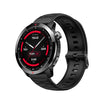


Short answer: Some do, some don't — and the difference over three years can be $400 or more. Whoop and Oura require a paid membership to show you the data your device already collected. Apple Watch, Garmin, Samsung, and RingConn don't. Fitbit sits in the middle: core data is free, but the "coaching" is paid. Here's how to tell which model you're actually buying into.
The Three Subscription Models (and Why They Matter)
Product pages don't tell you this, so here's the sorting hat:
1. Mandatory subscription — the device is a rental
Whoop and Oura sell hardware that becomes badly limited or useless if you stop paying. Whoop's device is “free” with membership: $199/year** for the base tier, up to **$359/year for the top tier. Oura costs $399+** for the ring, plus **$69.99/year — without it, you get three daily scores and little else. Sleep stages, HRV, continuous heart rate, and temperature data all stay locked.
2. Optional subscription — measurements free, interpretation paid
Fitbit (now Google Health), Garmin, and Polar give you the raw numbers for free. You pay for coaching, AI insights, or guided programs. Garmin Connect+ is $6.99/month**; Google Health Premium is **$9.99/month or $99.99/year. The catch: some basic controls have crept behind paywalls — Garmin briefly locked live heart rate on its Cirqa band before user backlash forced a reversal.
3. No subscription at all
Apple Watch, Samsung Health, Coros, and RingConn don't gate your measurements. Apple's Health app and Samsung Health are free; Fitness+ is an optional workout library, not a data paywall.
The Three-Year Cost, Side by Side
This is the number that matters — a wearable is a 3–4 year purchase.
| Device | Hardware | Subscription | 3-Year Total |
|---|---|---|---|
| Fitbit Air | $99.99 | None (core) | $99.99 |
| Garmin Cirqa | $199.99 | None | $199 |
| Apple Watch Series 11 | ~$399 | None | ~$399 |
| Whoop 5.0 (One) | Included | $199/yr | ~$597 |
| Oura Ring 5 | $399 | $69.99/yr | ~$609 |
Prices are approximate; sales move them. The shape of the table is the point.
A Fitbit Air and a Whoop both track sleep and recovery. One costs $100 once**. The other costs **$600 over three years. Neither is “wrong” — but you should know which game you're playing.
The Hidden Costs Nobody Mentions
1. Data export and sync paywalls
In October 2026, Withings started charging new users $99.50/year just to automatically sync their own data to Apple Health or Google Health Connect. Manual CSV export is still free — for now. This is the new frontier of subscription creep: not paying for insights, paying for interoperability.
2. Account lock-in
Withings tied the paywall to the account, not the device. A pre-October-2026 account keeps free syncing forever, even on new hardware. New accounts don't. Always check whether “free” is tied to your account or your device.
3. Region-locking
Oura's newest software features are region-locked to the US and UAE at launch. Paying the same subscription doesn't guarantee the same features.
4. The “removed features” problem
When Google raised Fitbit Premium from $79.99 to $99.99/year, it also removed features in the rebrand. Subscription prices can go up while the product goes sideways.
How to Decide if a Subscription Is Worth It
Ask three questions in order:
1. What happens if I stop paying?
-
Device still tracks and shows core data → low risk (Garmin, Apple, Fitbit)
-
Device becomes a brick or shows three numbers → high risk (Whoop, Oura)
2. Am I paying for measurement or interpretation?
Paying for measurement is dangerous — you're renting access to your own body. Paying for interpretation (AI coaching, adaptive plans, guided programs) is a fair trade if you actually use it. Most people don't after month three.
3. Does the subscription price appear in the product listing?
If the subscription is mandatory and hidden below the fold, that's a signal. Whoop includes the hardware with membership — so the “device price” you see is actually the first year's subscription.
The Free Alternatives Worth Knowing
-
Garmin Connect — training load, VO₂max, Body Battery, recovery time, and detailed sleep analysis, all free. Connect+ adds AI insights on top; the metrics people buy Garmin for remain free.
-
Apple Health — every measurement Apple Watch collects is free. Fitness+ ($9.99/month) is a workout library, not a data gate.
-
Open-source companions — projects like OpenFit and Atria reverse-engineer subscription features for Fitbit and Whoop hardware, though they're unofficial and require technical comfort.
The Bottom Line
A subscription isn't inherently bad. Oura's sleep analysis is genuinely excellent. Whoop's coaching is genuinely useful for serious athletes. But paying forever to see your own heart rate is a different thing than paying for coaching — and most buyers don't realize which one they've signed up for until year two.
Buy the model that matches your tolerance for recurring costs. If you hate subscriptions, Garmin and Apple give you the most data for free. If you love coaching and don't mind renting, Whoop and Oura are built for you.
Just do the three-year math before you tap “buy.” 😉


发表评论
此站点受 hCaptcha 保护,并且 hCaptcha 隐私政策和服务条款适用。