

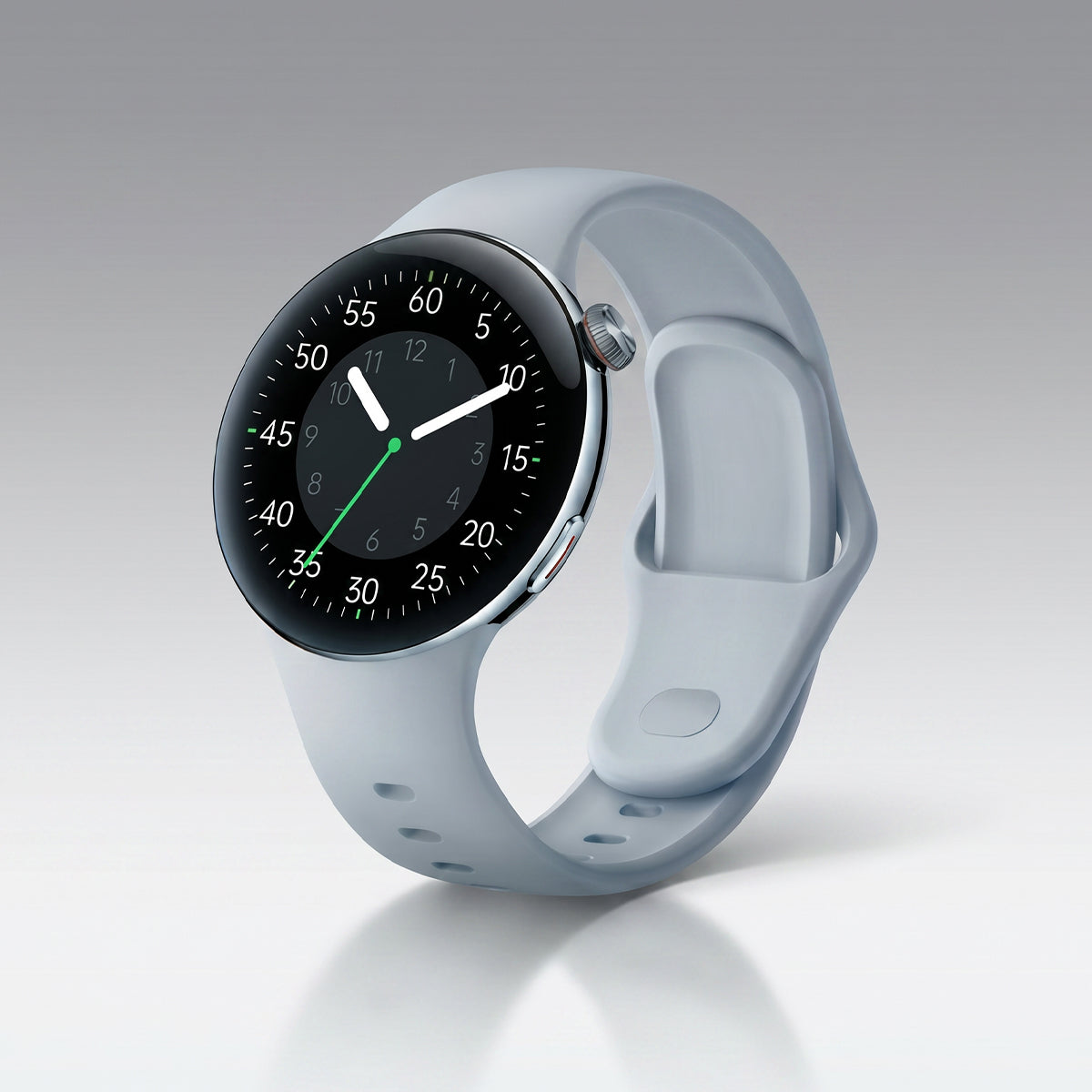





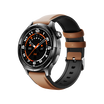


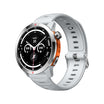


If you’re shopping for a smartwatch, you’ve probably come across the term AMOLED display. But what exactly does it mean, and why does it matter? Let’s break it down in a simple way.
What is AMOLED?
AMOLED stands for Active Matrix Organic Light-Emitting Diode.
It is a display technology widely used in premium smartphones and smartwatches.
Key idea behind AMOLED:
- Each pixel emits its own light
- No backlight is required
- Individual pixels can turn completely off
- This creates true blacks and highly vibrant colors
AMOLED vs LCD Comparison
| Feature | AMOLED | LCD |
|---|---|---|
| Black Level | True black (pixels off) | Dark gray |
| Colors | Vibrant & saturated | More natural |
| Contrast | Very high | Medium |
| Power Usage | Dynamic (more efficient with dark content) | Constant |
| Cost | Higher | More affordable |
Benefits of AMOLED in Smartwatches
1. Always-On Display
AMOLED is ideal for always-on features:
- Only active pixels consume power
- Time and date can be displayed continuously
- Custom watch faces supported
- More power-efficient in dark modes
2. Better Outdoor Visibility
AMOLED screens perform well in sunlight:
- High brightness levels
- Excellent readability outdoors
- Accurate auto-brightness adjustment
- Wide viewing angles
3. Superior Color Performance
AMOLED delivers a more vivid visual experience:
- Rich and saturated colors
- Supports wide color gamuts like DCI-P3
- High-end models may support HDR
- Can be tuned for natural or vivid display modes
4. Slimmer and More Modern Design
Because AMOLED does not require a backlight:
- Displays are thinner and lighter
- Enables more compact smartwatch designs
- Supports curved and flexible screens
Disadvantages of AMOLED
While AMOLED is advanced, it has some limitations:
💰 Higher Cost
AMOLED displays are more expensive to produce, which increases device price.
🔥 Burn-in Risk
Static images displayed for long periods may cause temporary or permanent ghosting (modern devices have reduced this risk significantly).
🛠️ Higher Repair Costs
Screen replacements can be more expensive compared to LCD panels.
Is AMOLED Right for You?
Choose AMOLED if you:
- Want an always-on display
- Prefer vibrant, high-quality visuals
- Value premium design and experience
- Care about power efficiency in real use
Choose LCD if you:
- Are on a tighter budget
- Prefer more natural color tones
- Prioritize lower repair costs and durability
The Future of Display Technology
Display technology continues to evolve toward:
- MicroLED advancements
- Improved power efficiency
- Better outdoor readability
- More flexible and wearable designs
Conclusion
AMOLED displays offer a premium visual experience with excellent contrast, vibrant colors, and smart power management.
If display quality matters to you, AMOLED is absolutely worth considering when choosing your next smartwatch.


发表评论
此站点受 hCaptcha 保护,并且 hCaptcha 隐私政策和服务条款适用。