

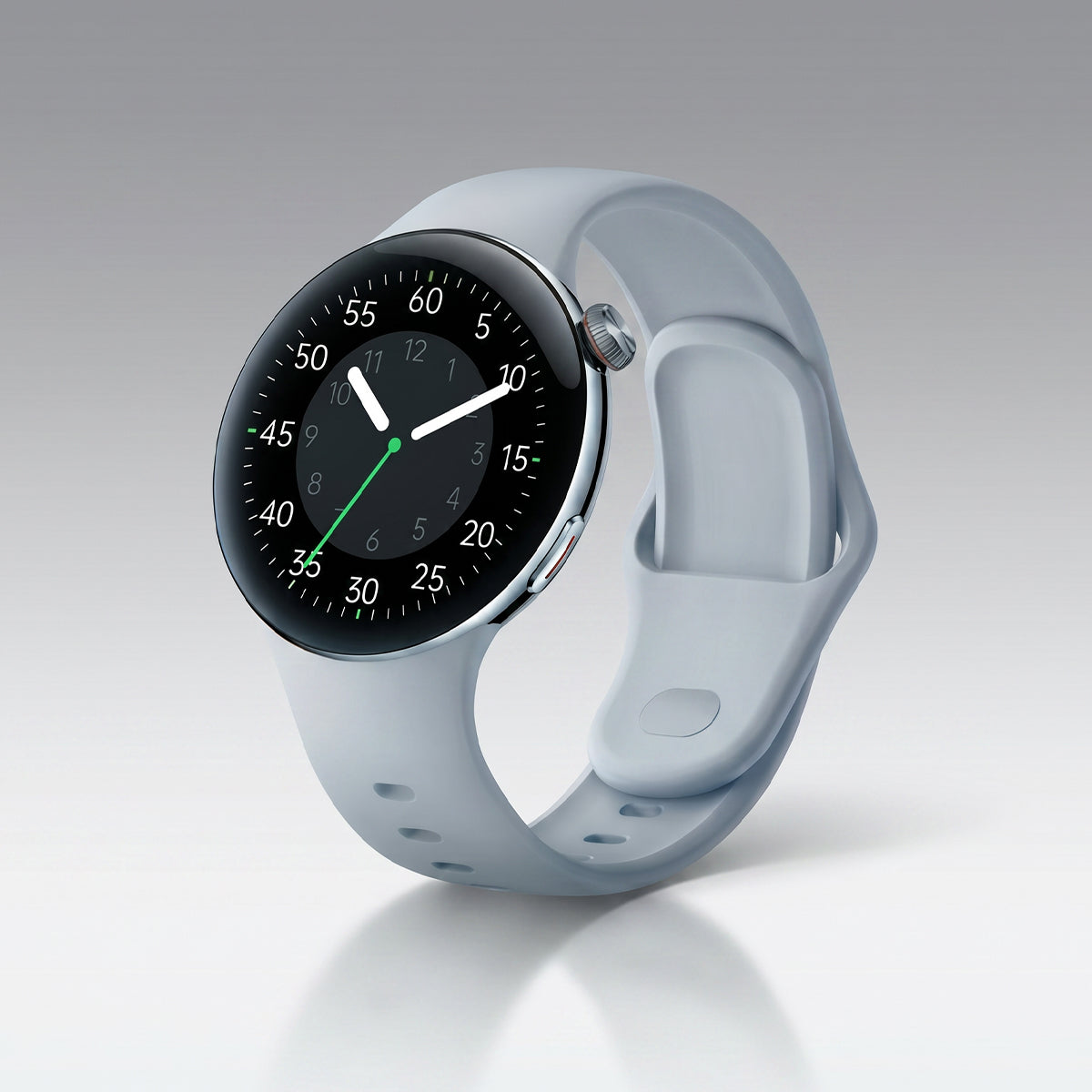











That’s because your resting heart rate doesn’t tell the whole story. HRV does.
What is HRV?
HRV = Heart Rate Variability. It’s the tiny variation in time between each heartbeat. Sounds boring? It’s actually your body’s stress‑recovery meter.
-
High HRV = your nervous system is balanced, you’re rested, ready for anything.
-
Low HRV = you’re stressed, tired, or fighting something off – even if your pulse looks normal.
What’s a “good” number?
There’s no universal target – it’s all about your baseline. A 30‑year‑old might average 50–80 ms, while a 50‑year‑old might see 25–40 ms. Track your own trend: if it drops 10‑20% below your usual, your body is waving a flag.
What messes with it?
-
Poor sleep
-
Too much alcohol or caffeine
-
Intense training (without rest)
-
Mental stress – that big presentation counts.
4 quick ways to boost HRV
-
Breathe slowly – 5‑second inhale, 5‑second exhale for 3 minutes.
-
Sleep more – even 30 extra minutes helps.
-
Hydrate – dehydration crushes HRV.
-
Move daily – but don’t overdo it; rest days matter too.
Bottom line
HRV isn’t a competition – it’s a conversation with your body. When it dips, take it easy. When it climbs, you’re winning. Listen to it, and stress won’t sneak up on you anymore.
That’s the secret your watch has been trying to tell you. 😌


Hinterlasse einen Kommentar
Diese Website ist durch hCaptcha geschützt und es gelten die allgemeinen Geschäftsbedingungen und Datenschutzbestimmungen von hCaptcha.