

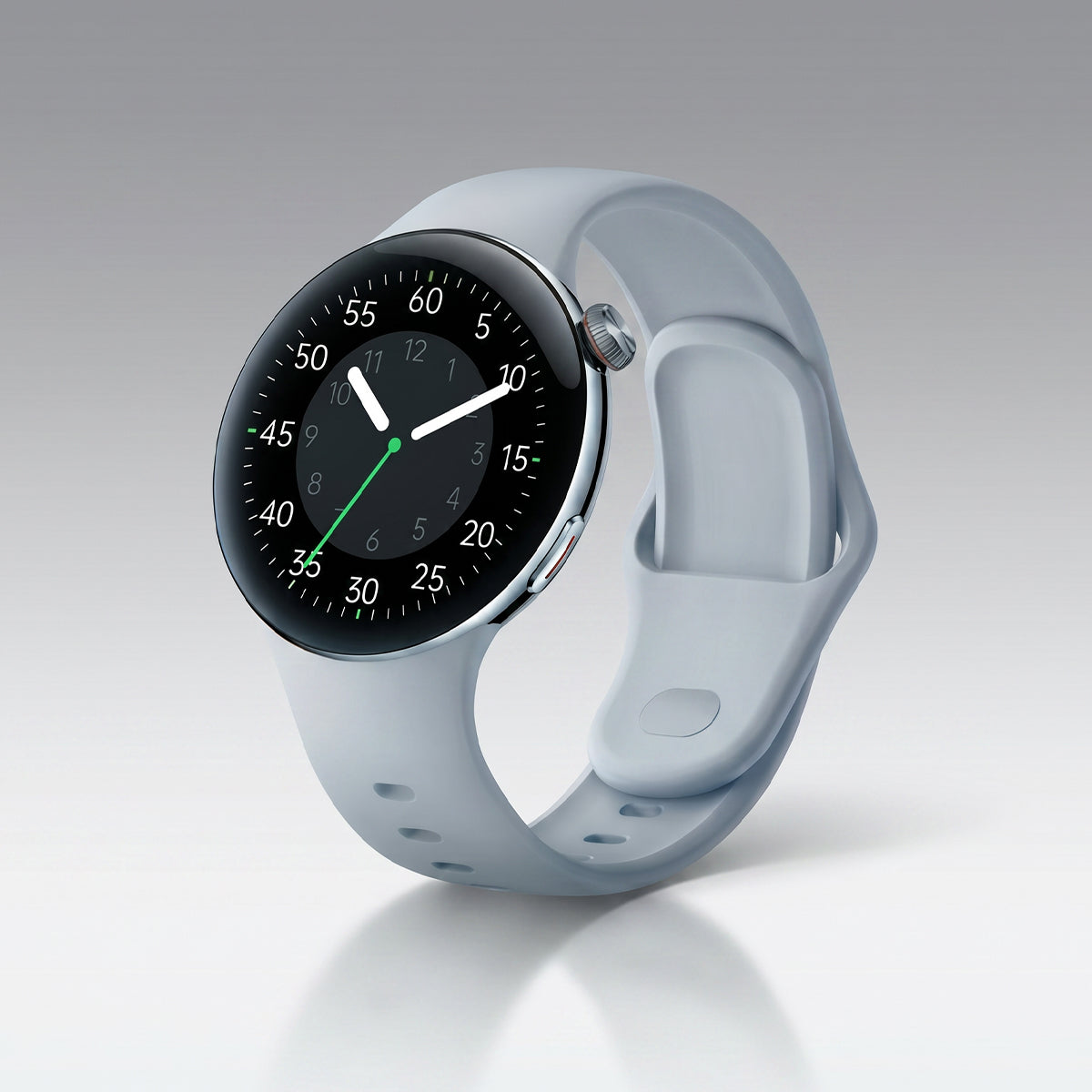





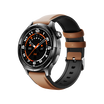



If you’re shopping for a smartwatch, you’ve probably come across the term AMOLED display. But what exactly does it mean, and why does it matter? Let’s break it down in a simple way.
What is AMOLED?
AMOLED stands for Active Matrix Organic Light-Emitting Diode.
It is a display technology widely used in premium smartphones and smartwatches.
Key idea behind AMOLED:
- Each pixel emits its own light
- No backlight is required
- Individual pixels can turn completely off
- This creates true blacks and highly vibrant colors
AMOLED vs LCD Comparison
| Feature | AMOLED | LCD |
|---|---|---|
| Black Level | True black (pixels off) | Dark gray |
| Colors | Vibrant & saturated | More natural |
| Contrast | Very high | Medium |
| Power Usage | Dynamic (more efficient with dark content) | Constant |
| Cost | Higher | More affordable |
Benefits of AMOLED in Smartwatches
1. Always-On Display
AMOLED is ideal for always-on features:
- Only active pixels consume power
- Time and date can be displayed continuously
- Custom watch faces supported
- More power-efficient in dark modes
2. Better Outdoor Visibility
AMOLED screens perform well in sunlight:
- High brightness levels
- Excellent readability outdoors
- Accurate auto-brightness adjustment
- Wide viewing angles
3. Superior Color Performance
AMOLED delivers a more vivid visual experience:
- Rich and saturated colors
- Supports wide color gamuts like DCI-P3
- High-end models may support HDR
- Can be tuned for natural or vivid display modes
4. Slimmer and More Modern Design
Because AMOLED does not require a backlight:
- Displays are thinner and lighter
- Enables more compact smartwatch designs
- Supports curved and flexible screens
Disadvantages of AMOLED
While AMOLED is advanced, it has some limitations:
💰 Higher Cost
AMOLED displays are more expensive to produce, which increases device price.
🔥 Burn-in Risk
Static images displayed for long periods may cause temporary or permanent ghosting (modern devices have reduced this risk significantly).
🛠️ Higher Repair Costs
Screen replacements can be more expensive compared to LCD panels.
Is AMOLED Right for You?
Choose AMOLED if you:
- Want an always-on display
- Prefer vibrant, high-quality visuals
- Value premium design and experience
- Care about power efficiency in real use
Choose LCD if you:
- Are on a tighter budget
- Prefer more natural color tones
- Prioritize lower repair costs and durability
The Future of Display Technology
Display technology continues to evolve toward:
- MicroLED advancements
- Improved power efficiency
- Better outdoor readability
- More flexible and wearable designs
Conclusion
AMOLED displays offer a premium visual experience with excellent contrast, vibrant colors, and smart power management.
If display quality matters to you, AMOLED is absolutely worth considering when choosing your next smartwatch.

Leave a comment
Este site está protegido pela Política de privacidade da hCaptcha e da hCaptcha e aplicam-se os Termos de serviço das mesmas.