










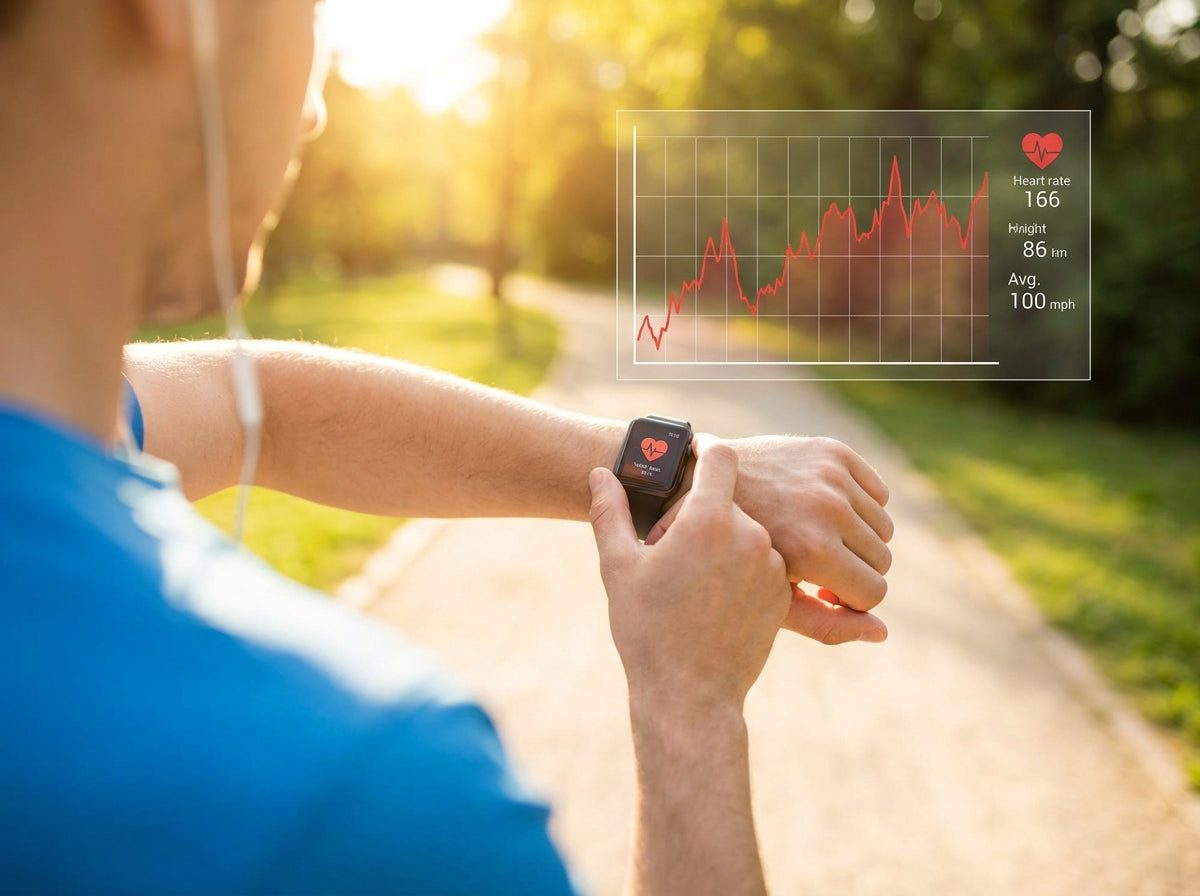
Heart rate monitoring is one of the most valuable features available on modern smartwatches.
Whether you're tracking workouts, monitoring recovery, or improving your overall wellness, understanding how heart rate tracking works can help you get more accurate and meaningful insights.
How Heart Rate Monitoring Works
The Technology Behind It
Most smartwatches use Optical Photoplethysmography (PPG) technology.
Here’s how it works:
- Green LED lights shine into your skin
- Light reflects off blood flow beneath the skin
- Sensors detect changes in light absorption
- Algorithms calculate your heart rate in real time
Sensor Placement
The heart rate sensor is typically located on the back of the watch.
For accurate readings:
- The sensor must stay in consistent contact with your skin
- A proper fit is extremely important
What Heart Rate Data Can Tell You
Resting Heart Rate (RHR)
Your resting heart rate measures how fast your heart beats when your body is fully relaxed.
Typical Range
- Normal adult range: 60–100 BPM
- Lower resting heart rates often indicate better cardiovascular fitness
Heart Rate During Exercise
Your smartwatch can help you:
- Monitor workout intensity
- Stay within target heart rate zones
- Track recovery during and after exercise
Heart Rate Variability (HRV)
HRV measures the variation between heartbeats.
It can provide insights into:
- Stress levels
- Recovery status
- Nervous system balance
Lower HRV may suggest fatigue, stress, or overtraining.
Understanding Heart Rate Zones
Heart rate zones help optimize workouts and training intensity.
| Zone | Intensity | Purpose |
|---|---|---|
| Zone 1 (50–60%) | Very Light | Warm-up / recovery |
| Zone 2 (60–70%) | Light | Fat burning |
| Zone 3 (70–80%) | Moderate | Cardiovascular fitness |
| Zone 4 (80–90%) | Hard | Performance training |
| Zone 5 (90–100%) | Maximum | Speed and power |
How to Calculate Your Maximum Heart Rate
A common estimation formula is:
Example (30 Years Old)
- Estimated max heart rate: 190 BPM
- Zone 3 range: approximately 133–152 BPM
Benefits of Heart Rate Tracking
1. Fitness Assessment
- Measure workout effectiveness
- Track progress over time
2. Health Monitoring
- Detect unusual heart rate patterns
- Identify potential early warning signs
3. Recovery Analysis
- Understand when your body needs rest
- Reduce risk of overtraining
4. Stress Management
- HRV trends may indicate stress levels
- Helps guide relaxation and recovery strategies
Best Practices for Accurate Readings
1. Wear Your Watch Correctly
- Keep the fit snug but comfortable
- Position it about two finger widths above your wrist bone
2. Ensure Proper Sensor Contact
- The sensor should touch your skin consistently
- Clean the sensor regularly for better performance
3. Stay Still During Measurements
For resting heart rate readings:
- Avoid movement
- Sit quietly and relax
4. Measure Consistently
For better long-term tracking:
- Measure at the same time each day
- Morning before caffeine is ideal
When You Should Consult a Doctor
Heart rate tracking is useful, but it’s not a substitute for professional medical care.
Seek medical advice if you experience:
- Consistently high or low readings
- Chest pain with heart rate changes
- Dizziness or fainting
- Irregular heartbeat sensations
- Shortness of breath at rest
Conclusion
Heart rate monitoring can provide valuable insights into your fitness, recovery, and overall wellness.
By understanding your heart rate data and using your smartwatch consistently, you can make smarter decisions about training, recovery, and daily health habits.
Just remember: smartwatches are wellness tools—not medical devices—and should not replace professional healthcare advice.

댓글 남기기
이 사이트는 hCaptcha에 의해 보호되며, hCaptcha의 개인 정보 보호 정책 과 서비스 약관 이 적용됩니다.